
Black History Month is an opportunity to tell fuller stories about leadership, resistance, and civil rights. Yet too often, conversations about disability rights overlook the pivotal role of Black activists, artists, lawyers, and organizers.
The intersection of race and disability is not theoretical — it is lived reality. According to the CDC, approximately 1 in 4 adults in the United States lives with a disability, and Black Americans experience disability at slightly higher rates due to longstanding inequities in healthcare access, environmental exposure, economic instability, and systemic racism. Black disabled individuals also face disproportionate disparities in employment, education discipline rates, healthcare outcomes, and interactions with law enforcement.
Disability justice and racial justice are inseparable. The following Black disability rights leaders have shaped policy, culture, and advocacy at that intersection.
1. Brad Lomax
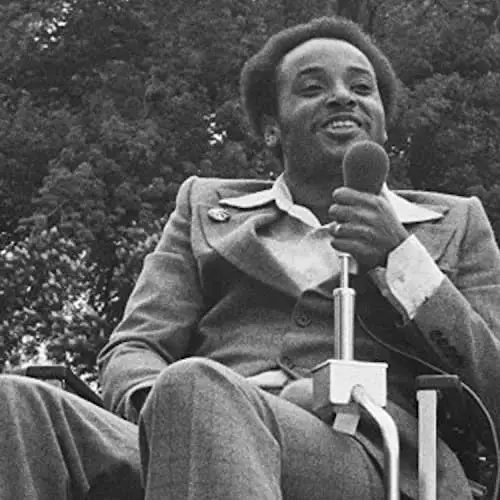
A member of the Black Panther Party, Brad Lomax was a powerful bridge between the civil rights and disability rights movements. Living with multiple sclerosis and using a wheelchair, Lomax played a central role in the 1977 Section 504 Sit-ins in San Francisco — protests that demanded enforcement of federal disability protections. His connection to the Panthers proved pivotal: the organization supplied hot meals to demonstrators occupying federal buildings for nearly a month. Lomax’s leadership demonstrated that disability rights are civil rights and modeled cross-movement solidarity decades before “intersectionality” became widely used language.
Legacy: Coalition-building across racial and disability justice movements.
2. Lois Curtis
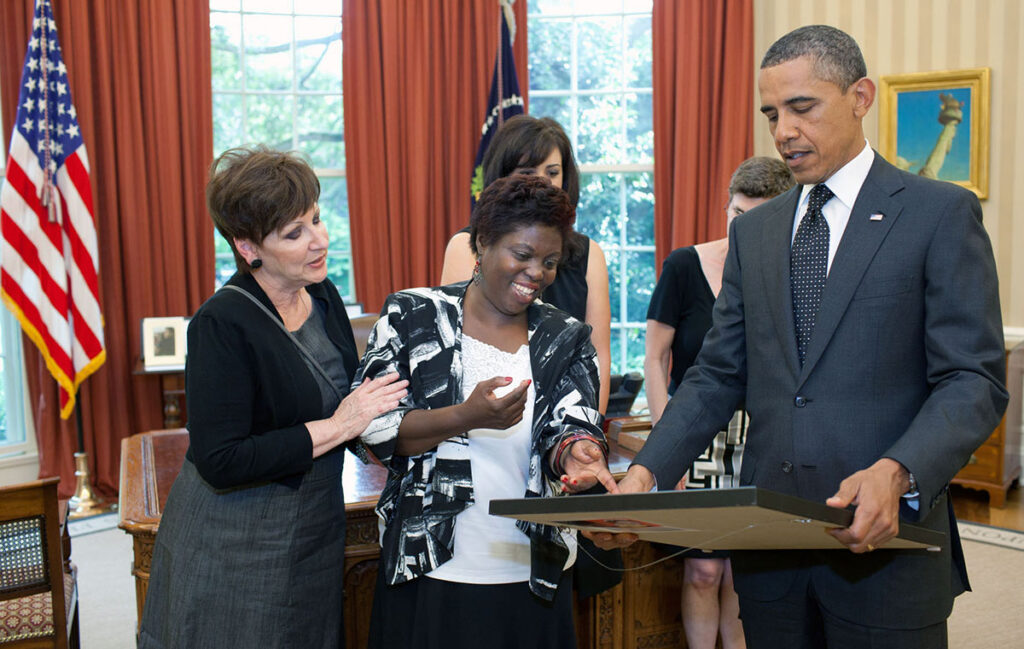
Lois Curtis was institutionalized in Georgia despite medical recommendations that she could live successfully in the community. Her lawsuit became the landmark Supreme Court case Olmstead v. L.C. In 1999, the Court ruled that unnecessary institutionalization constitutes discrimination under the Americans with Disabilities Act (ADA).
This decision fundamentally reshaped disability policy, affirming the right of disabled individuals to receive services in the most integrated setting appropriate. Curtis later became an artist, using painting as a form of self-expression after decades of institutionalization.
Legacy: Community living as a civil right and the legal foundation for deinstitutionalization.
3. Johnnie Lacy
After contracting polio as a young adult, Johnnie Lacy encountered racial and disability discrimination in higher education and employment. She became a founding force behind the independent living movement and helped shape the Berkeley Center for Independent Living. Lacy also challenged the disability rights movement to confront racism within its own ranks, ensuring that Black disabled voices were not sidelined. Her work expanded access to housing, transportation, and community-based services.
Legacy: Inclusive independent living and accountability within movements.
4. Fannie Lou Hamer
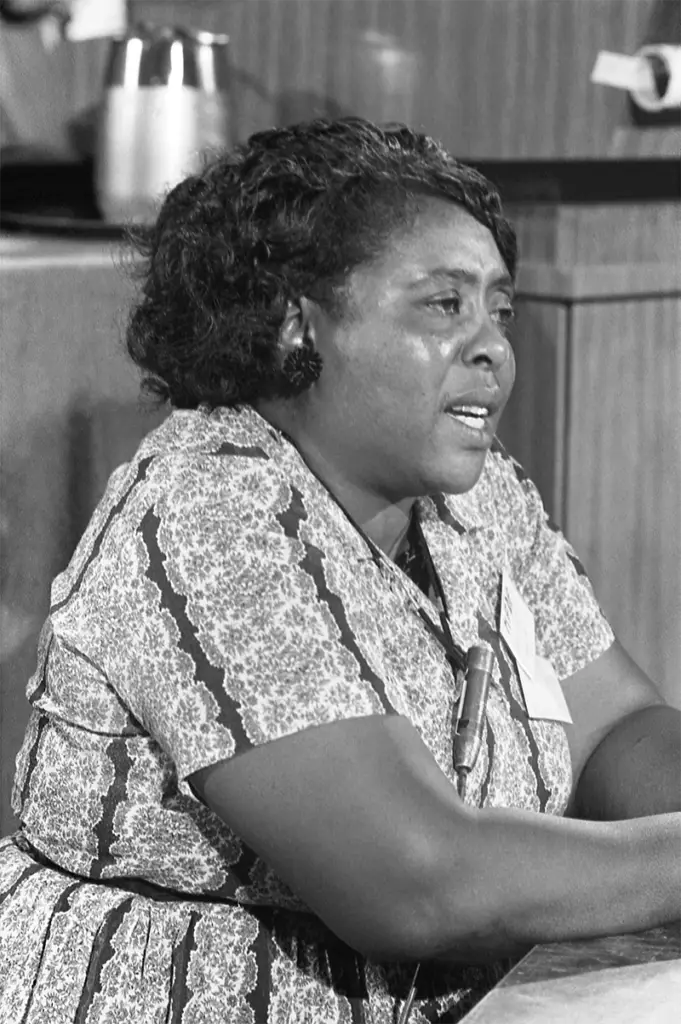
Known widely for her fearless voting rights advocacy, Fannie Lou Hamer also lived with lasting disabilities after enduring racial violence and a forced sterilization procedure. She experienced mobility impairments and chronic pain throughout her life. Hamer’s story illustrates how state violence, racism, reproductive injustice, and disability intersect.
Her testimony at the 1964 Democratic National Convention brought national attention to racial terror in Mississippi, while her lived experience underscores how disability has always been part of civil rights history.
Legacy: Bodily autonomy, voting rights, and intersectional resilience.
5. Imani Barbarin
Imani Barbarin is a writer, speaker, and founder of the blog Crutches and Spice. Through social media, public commentary, and cultural analysis, she addresses ableism within racial justice movements and racism within disability advocacy spaces. Barbarin frequently highlights disparities in healthcare access, media representation, and emergency response systems affecting Black disabled communities. Her digital advocacy has helped bring disability justice conversations into mainstream discourse, particularly among younger audiences.
Legacy: Modern disability justice leadership through media and storytelling.
6. Leroy F. Moore Jr.
A poet, hip-hop artist, and co-founder of Krip-Hop Nation, Leroy F. Moore Jr. has spent decades amplifying the voices of disabled artists of color. His work explores incarceration, police violence, ableism, and systemic racism. Moore has also been influential in developing the disability justice framework that centers those most marginalized — particularly queer and Black disabled individuals. Through art and activism, he reframes disability not as deficit but as culture and community.
Legacy: Disability justice through cultural production and radical art.
7. Keah Brown
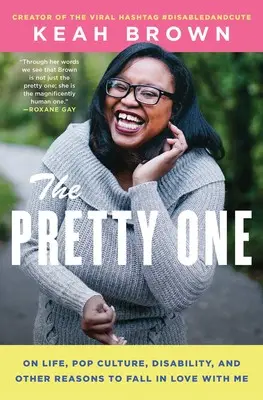
Author of The Pretty One, Keah Brown writes about growing up Black and disabled with cerebral palsy. Her viral hashtag #DisabledAndCute created a global moment of celebration for disabled joy and self-acceptance. Brown challenges media portrayals that frame disability as tragedy and instead centers beauty, ambition, and complexity.
Her work in journalism and publishing has expanded representation for young Black disabled readers.
Legacy: Reclaiming joy, visibility, and self-definition.
8. Haben Girma
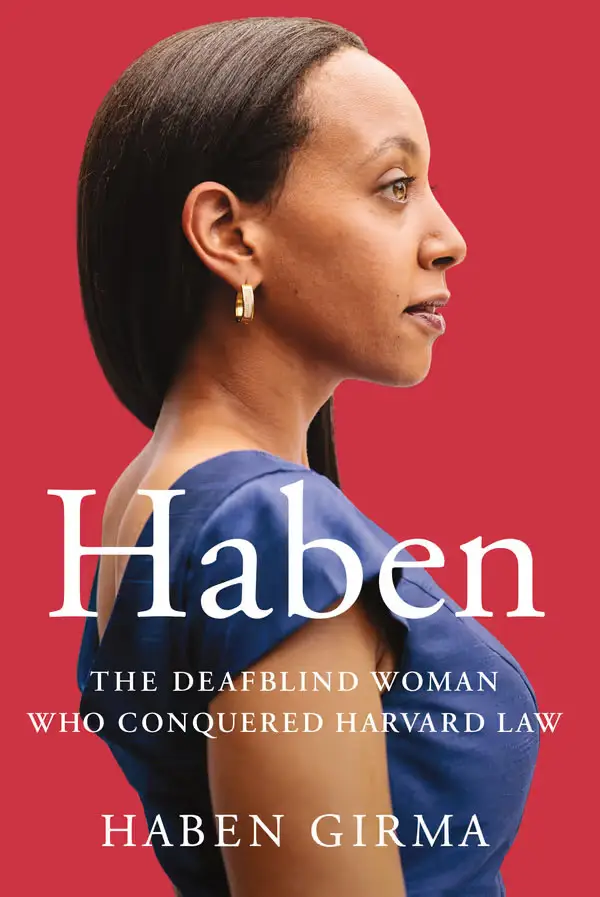
The first Deafblind graduate of Harvard Law School, Haben Girma is an international human rights lawyer advocating for accessible technology and inclusive design. She has worked with corporations, governments, and nonprofits to improve digital accessibility — a growing civil rights issue as education, employment, and healthcare move online.
Her memoir, Haben: The Deafblind Woman Who Conquered Harvard Law, highlights how innovation and communication access can unlock opportunity.
Legacy: Technology accessibility as a modern civil right.
9. Vilissa Thompson
Founder of Ramp Your Voice!, Vilissa Thompson is a social worker and activist who centers Black disabled women and girls. She addresses disparities in education, reproductive health, and gender-based violence impacting disabled women of color.
Solely centering Black disabled voices is an intentional, unapologetic action, one that is long overdue to occur and is strongly needed for us to truly be seen and heard without concerning the gazes of others.
Vilissa Thompson, Founder, Ramp Your Voice!
Thompson’s advocacy challenges the whiteness of mainstream disability spaces and calls for policy reforms that address layered discrimination.
Legacy: Elevating Black disabled women’s leadership.
10. Claudia Gordon
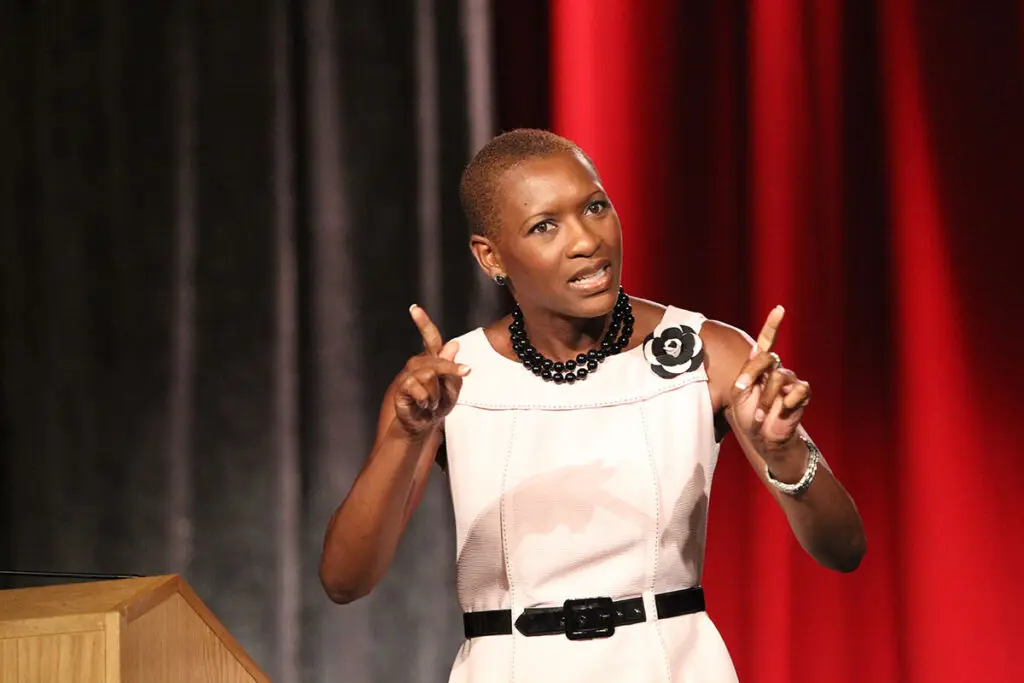
Claudia Gordon made history as the first Black Deaf female attorney in the United States. She has held roles in federal agencies and the White House, working on disability employment policy and civil rights enforcement. Gordon’s career demonstrates how representation in law and government matters for shaping inclusive policy.
Her leadership continues to inspire Deaf and disabled professionals of color pursuing careers in public service. She currently serves as Senior Accessibility Strategy Partner at T-Mobile.
Legacy: Disability representation in federal policy and law.
T-Mobile has also demonstrated its commitment to accessibility through its partnership with UCP, expanding opportunities for disabled communities nationwide.
Why We Recognize Black Disability Leaders
To understand why centering Black disability rights leaders is essential, we must understand intersectionality — a framework coined by legal scholar Kimberlé Crenshaw to describe how systems of oppression overlap and compound.
Black disabled individuals do not experience racism and ableism separately. These systems interact.
A Black disabled person navigating healthcare, education, housing, employment, or law enforcement is often impacted by both racial bias and disability discrimination simultaneously — and the outcomes are measurable. Black disabled individuals face:
- Higher rates of unemployment compared to white disabled peers
- Disproportionate school discipline and special education misclassification
- Significant healthcare access barriers
- Increased vulnerability to police violence
When we center Black disability rights leaders during Black History Month, we:
- Broaden the narrative of Black excellence
- Recognize intersectional civil rights leadership
- Strengthen inclusive and accessibility initiatives
- Honor the full spectrum of Black lived experience