By Marisa Krause
Before even setting foot into a DMV, my journey to learning to drive started with checking a box. It seemed easy and straightforward enough, but little did I know that checking the box that noted I had a physical condition, followed by my doctor scribbling the words “cerebral palsy” on the line right below it, would start me on the near decade long journey to become a licensed driver.

I was about 19 years old when I walked through the doors of my local DMV, with the confident yet awkward nerves most people my age feel when they’re about to take a driving test. I was ready to take this essential step into adulthood and greater independence. However, after waiting in a queue that seemed to take forever to move, I discovered that the only steps I would be taking that day were straight out the door and back home.
The woman working at the counter took all the required documents, including the form from my doctor. I can remember the casual tone to her voice when she told my dad and me she just had to check on something, and she’d be right back. Yet as we took our seats and waited, I started to notice that the girls my age who had come in after me were getting checked in, tested, and gleefully leaving, while I sat off in the corner.
I was eventually called back up and informed that I couldn’t take my test that day — a feeling I vividly recall as somewhat soul-crushing. I felt a lump growing in my throat as I desperately tried to hold back my tears as the woman explained something called “driving rehab” and more tests and more notes.
Entering the World of Driving Rehab
Driving rehabilitation or rehab is a specialized evaluation and training process designed to assess a person’s ability to drive safely due to a medical condition, disability, illness, injury, or aging. It is meant to meet DMV requirements or regain driving independence. It involves clinical assessments and behind-the-wheel tests to recommend adaptive equipment or training.
At the time, I was lucky enough to find a driving rehab close to my house, but the limited lesson availability made it a difficult process. There were only two instructors, and only one was available to new students. Then came the price tag. They were nearly double the price of a standard two-hour lesson and did not include a pickup/drop off option, which, to say I found bizarre, was an understatement.
Barriers to Learning to Drive with Cerebral Palsy
For me, my introduction to driving was stressful. I was told during my first lesson that I’d never be able to operate a vehicle without adaptive equipment. This decision was made based on my turning the steering wheel once, and for the first time ever in my life, I may add. And just like that, my instructor jotted something down on their notepad, and another box was checked.
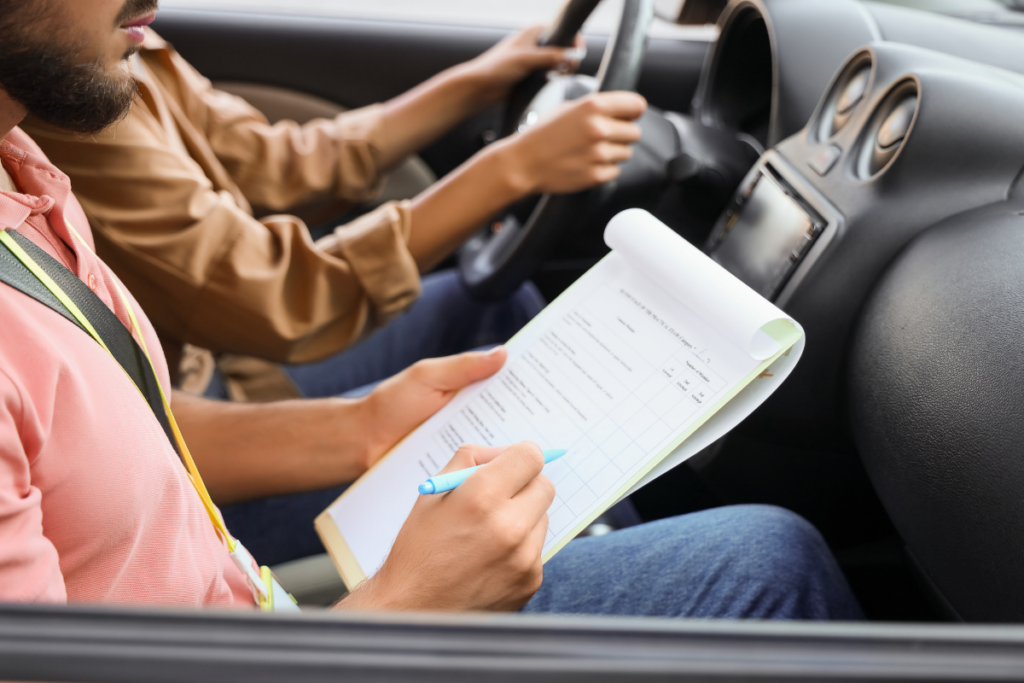
No matter where I went, even after moving out of state, I always found the same issues. Limited lesson availability, driving instructors being too far away (my next rehab driving school was about 45 minutes away), high prices, and the practicality of having to struggle to get there and back. It was frustrating.
If I tried to go to a “regular” driving school (even with a doctor’s note saying I could drive), they’d usually turn me down the second they found out I had CP. I was told they couldn’t teach me, that I was too much of a liability, and, my personal favorite, that I’d be much happier at the driving rehab.
Finally, after starting to make peace with the fact that driving just wouldn’t be for me, I confided in a friend who totally changed my perspective. I told her about all the challenges I had faced and how I wished I hadn’t found driving so overwhelming. She listened kindly, before commenting, “I’ve got to say, if that had been my experience learning how to drive, I doubt I would’ve ever learned.”
The Accessibility Gap in Driver Education
That is when I realized that none of my friends who took driving lessons in their teens had to jump through the hoops that I did. It made me start to wonder what the world would look like if, overnight, all driving schools became like the ones I’ve had. I could imagine the outraged parents when they found out that their child would have to pay significantly more per lesson, that the only school may be far away, and that they would be responsible for picking up and dropping off their child. I imagined all the news outlets covering stories about how the number of licensed drivers was plummeting because driver education was inaccessible!
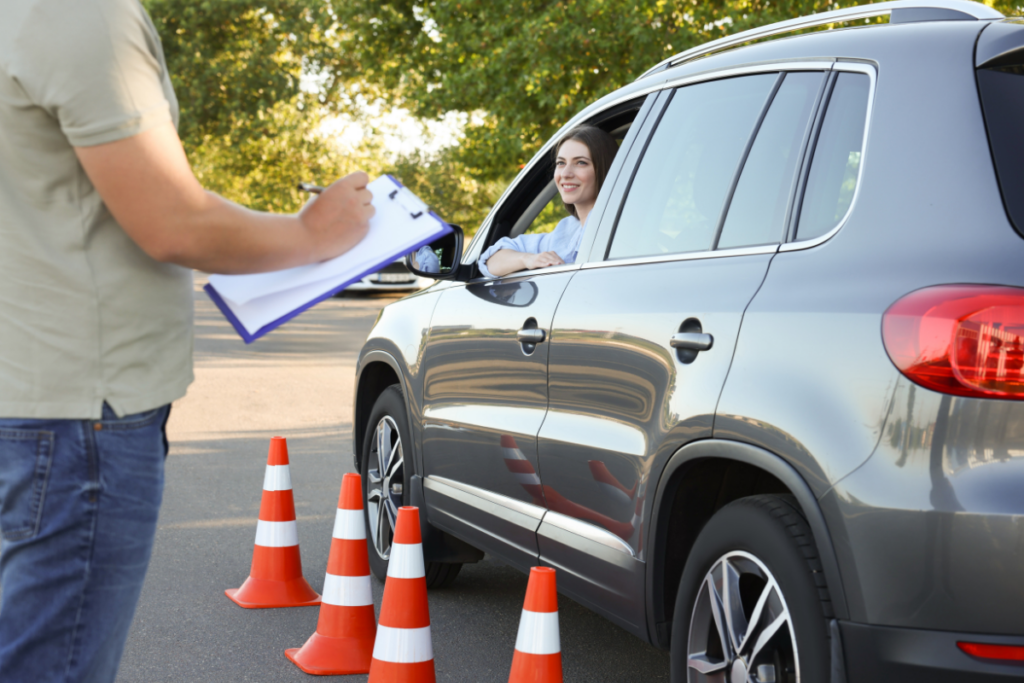
Years later, I began my journey to obtain a license again. Most still turned me down, until one day an instructor scheduled me for a lesson the following week. To say I was nervous was an understatement. Yet from the moment I saw the driver’s ed car pull into the parking lot where I worked, I knew things would, at the very least, be different. They came to me! It was amazing how much easier it was to focus on driving when I wasn’t worried about how I was going to get to and from a lesson.
Don’t get me wrong: Driving was still a big challenge for me. I had to learn after more than a decade of negative experiences, and I had to make sure I could feel safe and confident. My instructors were kind and patient, and perhaps most importantly, looked at me from the perspective of an anxious new driver, not just someone with CP. Mistakes were simply part of the process, and not a sign that I was too disabled to drive.
Passing the Test — and Changing the Narrative
After several months of lessons, I took my test and passed on the first try! It was such a surreal feeling, holding my license in my hands. What to many people may seem like just a piece of plastic that’s been in their wallet for years was, to me, an Olympic gold medal won for a game I never knew I’d need to play.
I feel it’s important to say, though, that all my instructors throughout my journey were truly kind to me. It wasn’t that the instructors at the rehab were bad; I am so grateful schools like that exist, because anyone, at any time in life, could suddenly find themselves needing car adaptations and a specialist to teach them how to use them.
For me, though, true accessibility looked like the option to try different types of lessons and find what works best. My hope is that as the world becomes more accessible, the only stop signs people encounter are the ones on the road, and that the boxes we check on forms don’t become words on a page that write our stories for us.

About the Author
Marisa Krause is a South Carolina–based marketing professional who serves her local church community. As a devoted Catholic, she brings faith and creativity into her work and daily life. Marisa is passionate about fiction writing and enjoys painting and taking peaceful nature walks in her free time.