By Marisa Conners
Navigating remote work as a person with a disability is both empowering and strategic. Remote employment offers flexibility, accessibility, and independence, while allowing skills and expertise to take center stage. Seeking these roles requires confidence, digital fluency, and thoughtful self-advocacy and opens doors to meaningful, inclusive career growth.
My Experience with Remote Work
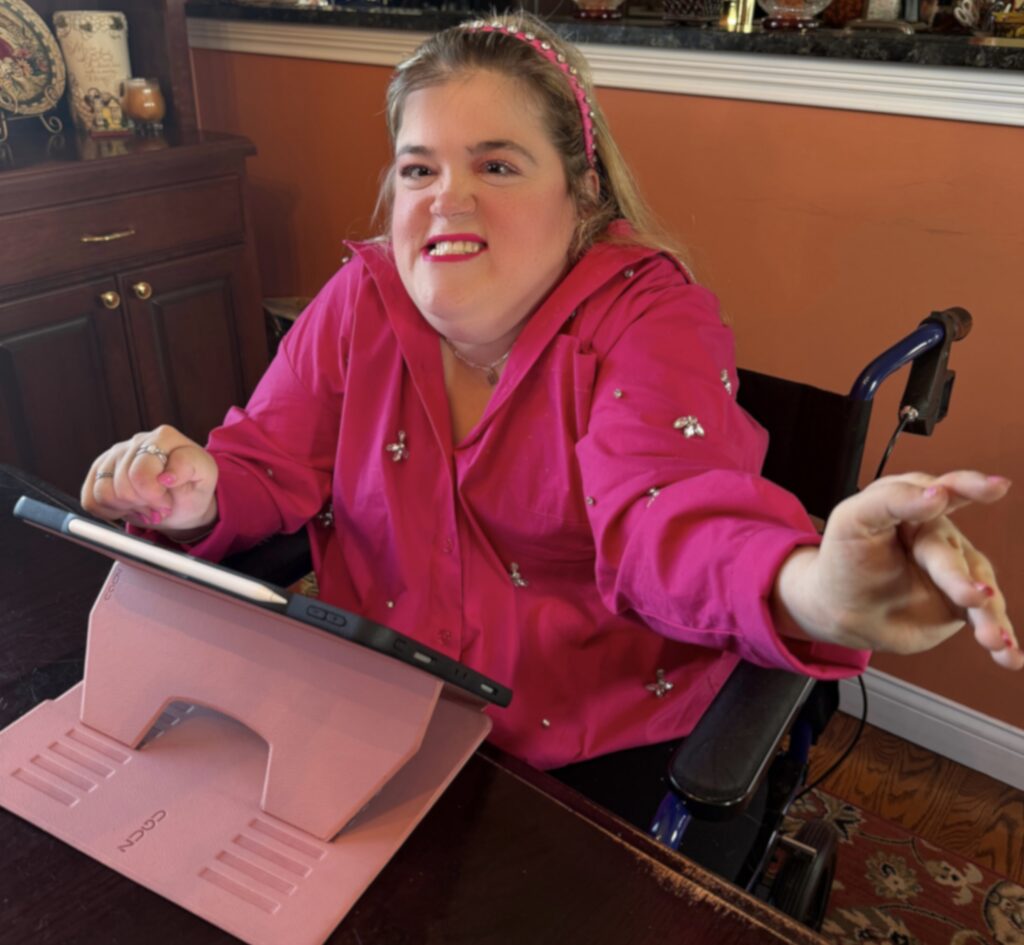
I am a self-taught remote worker living with cerebral palsy. I am also a full-time Augmentative and Alternative Communication (AAC) user who communicates through my iPad with a text-based app and gestures. I have a substantial background in fashion, graphic design, entrepreneurship, digital technology, and disability advocacy.
I have been self-employed for over five years. I also landed my first remote job in September 2025 after hunting for about three years. Then I obtained more remote jobs. Remote work is a significant part of my life since I have physical limitations due to my cerebral palsy.
Working remotely allows me to advocate, create, and earn in ways that align with my creativity and my communication style. Additionally, I can travel to attend any company events with a companion.
Facing Difficult Challenges of Finding Remote Employment
I always wanted to get a remote job. After years of job hunting, I felt regretful and irritated that I couldn’t get a remote job because I can’t talk on my own due to my cerebral palsy. However, I prove that being nonverbal does not mean I have nothing to say.
I found my own voice through my iPad. It means I can communicate through my iPad without any limits. I was rejected by employers several times in the past because they decided not to move forward with me. That made me feel frustrated, sad, and angry. But I remained optimistic and self-disciplined. Most importantly, I have always been fighting for what I can do to obtain meaningful remote employment by building my skills.
Building Skills As a Remote Worker
Remote workers possess technical and computer skills, including graphic design, social media, blogging, content creation, and digital marketing. They can also participate in virtual meetings and conferences. These skills enable them to pay attention in detail, meet deadlines, and gain more experience. They also have excellent time management skills to balance their life and career.
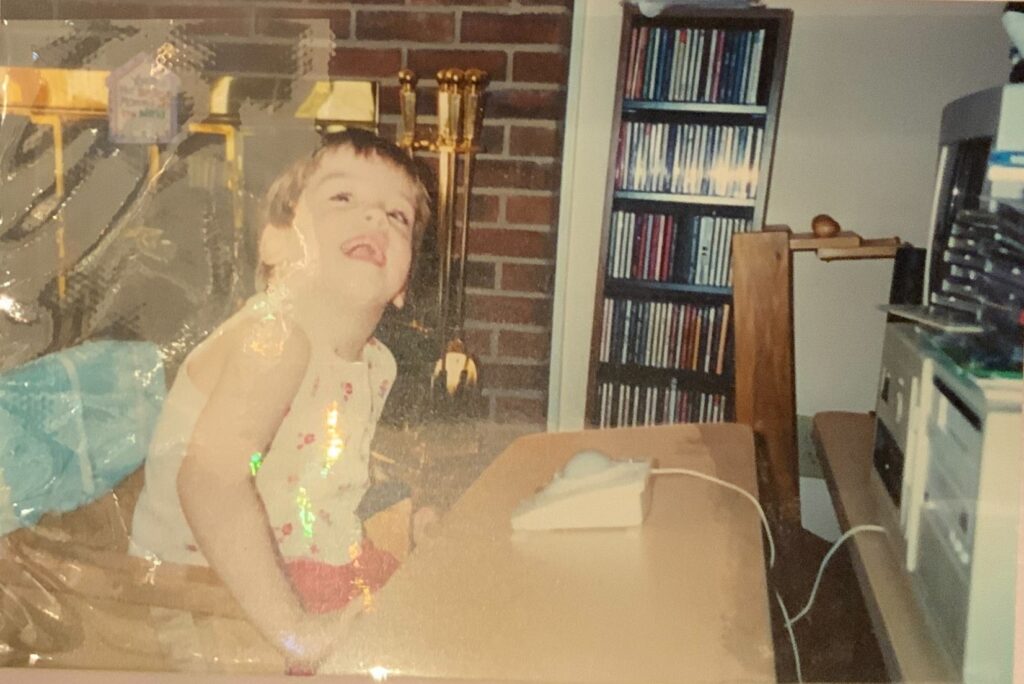
I am a highly digitally productive person. I have built my own skills and abilities since I was only three years old. At the beginning, I started using digital technology, including a computer. I would use a computer every single day. I started dreaming of becoming a fashion designer and entrepreneur at the ages of 5-6 while playing fashion games on my computer. I developed an exceptional passion for fashion!
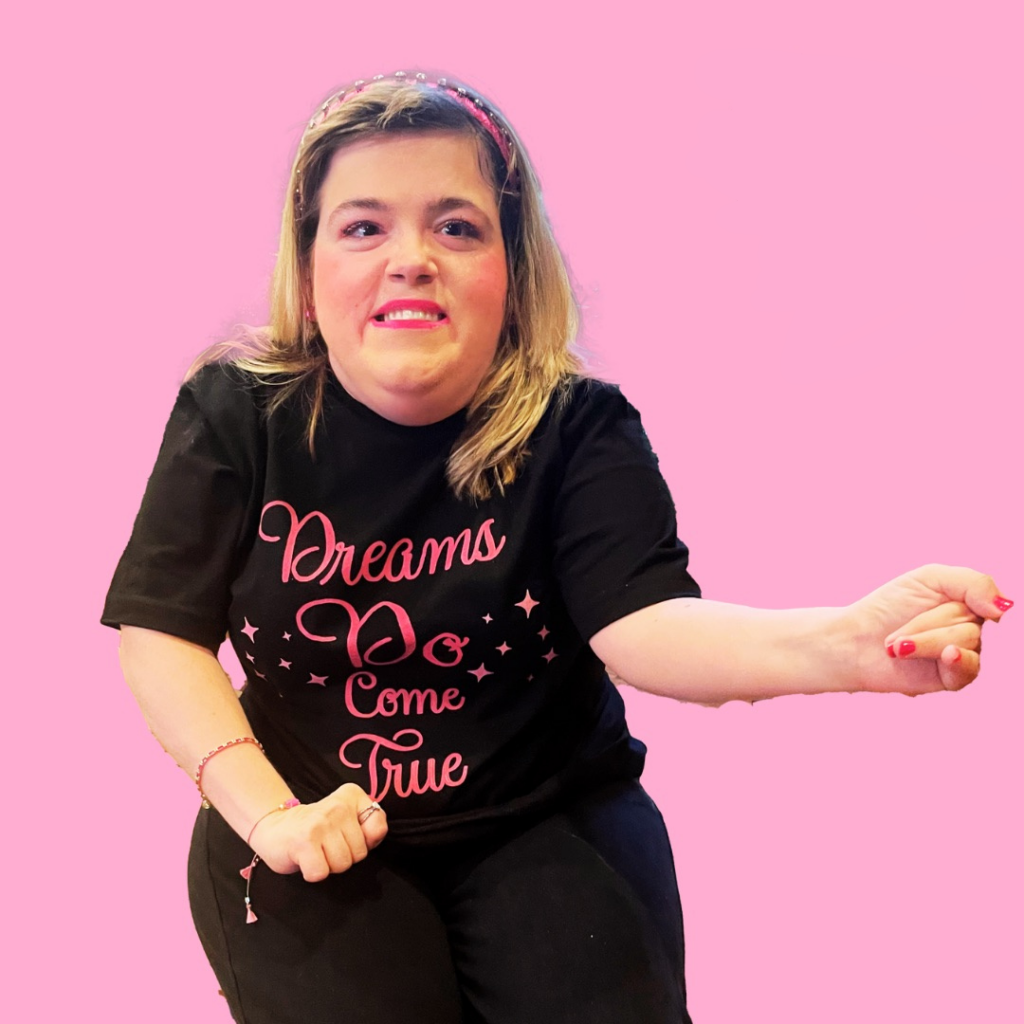
Since high school, I have been using graphic design, which is my natural talent. I would create graphic design projects such as logos, flyers, invitations, apparel, and more — all on a digital screen. I have a deep understanding of graphic design fundamentals like color theory, typography, and layout. Graphic design is one of my strongest skills because I am confident in my ability to work with someone who needs help with designing their assets, helping to bring their vision to life.
In addition to my graphic design skills, I excel in online platforms, including social media, digital marketing, content creation, and blogging. These platforms enable me to maintain and grow my technological proficiency.
I am a highly skilled visual learner and thinker. I can visualize everything, especially what I want to create or wear. That’s my special ability. I also have a photographic memory, which enables me to visually recall every single detail and create exceptional ideas and concepts. I can use my visual abilities to brainstorm, think in pictures, and solve creative problems. Unlike any others, all these things are extraordinary gifts to me.
The use of digital technology is essential for me, and it has helped me approach my creative capabilities. This experience has made me a great techie by deepening my knowledge and understanding.
Benefits of Remote Work
Remote work offers numerous advantages for people with disabilities by eliminating physical, transportation, and environmental barriers that often make traditional workplaces challenging or inaccessible. Working from home enables these individuals to create a workspace tailored to their specific mobility, sensory, or medical requirements, thereby reducing fatigue and boosting productivity.
Additionally, it provides flexibility for medical appointments, personal care routines, and fluctuating energy levels, ensuring that career growth is not compromised. For individuals who rely on assistive technology, such as AAC devices, screen readers, or adaptive equipment, remote work enables a more seamless, efficient workflow.
Beyond logistical considerations, remote work fosters independence, financial stability, and inclusion by empowering disabled professionals to contribute their skills and creativity without being hindered by inaccessible infrastructure.
My Advice for Remote Job Seekers with Disabilities
Digital technology is a key! Focus on your ability to navigate digital technology on a daily basis. Find ways to showcase your digital skills and strengths while confidently navigating accommodations on your own terms. Most importantly, pursue roles that align with your strengths and protect your value. Remote work is not about limitation, but about expanding access, independence, and opportunity.
Passion Meets Purpose
Despite the difficult challenges of seeking remote employment as a nonverbal individual with cerebral palsy, I have accomplished my goal of becoming a self-taught remote worker. My journey is a testament to the power of digital technology, which has allowed me to overcome physical limitations and find my voice through AAC.
Through self-discipline, a lifelong passion for digital technology, and exceptional skills in areas like fashion and graphic design, I have built a career that aligns with my creativity and strengths. I am profoundly grateful for remote work, as it has provided me with the essential access, flexibility, and independence needed to not only thrive professionally but also to continue advocating for others in the disability community.

About the Author
Marisa Conners is a passionate and accomplished fashion-loving entrepreneur, designer, techie, blogger, and disability advocate living with nonverbal cerebral palsy. She is also a full-time AAC user. She is a native of Cincinnati, Ohio, and she divides her time between Cincinnati and Florida — the best of both worlds. Outside of her remote work, Marisa enjoys exercising, shopping, traveling, and socializing with her friends. Learn more about Marisa at MarisaConnersOfficial.com.