March is Cerebral Palsy Awareness Month — a time to elevate understanding, break down stereotypes, and celebrate the strength and diversity of people living with cerebral palsy (CP). At United Cerebral Palsy (UCP), we believe awareness leads to inclusion — and inclusion creates opportunity.
Cerebral palsy is one of the most common motor disabilities in childhood, yet misconceptions still surround it. Let’s set the record straight.
1. Cerebral Palsy Is the Most Common Childhood Motor Disability
According to the Centers for Disease Control and Prevention, cerebral palsy affects approximately 1 in 345 children in the United States. CP impacts movement, muscle tone, and posture, but no two individuals experience it the same way.
2. Cerebral Palsy Is a Group of Disorders — Not a Single Condition

Cerebral palsy is an umbrella term for a group of neurological disorders that affect body movement and coordination. The condition is caused by damage to the developing brain, often before or during birth, or shortly after.
There are several types of CP, including spastic, dyskinetic, ataxic, and mixed forms — each with distinct characteristics.
3. Cerebral Palsy Is Not Contagious — and It’s Not Progressive
CP is caused by brain injury or abnormal brain development. It cannot be “caught,” and it does not worsen over time. While the original brain injury does not progress, symptoms may change as a person grows.
4. People with Cerebral Palsy Have a Wide Range of Abilities
One of the most common misconceptions is that CP affects intelligence. In reality, many people with cerebral palsy have average or above-average intelligence. Some may have intellectual disabilities; many do not.
Cerebral palsy primarily affects muscle control — not a person’s potential.
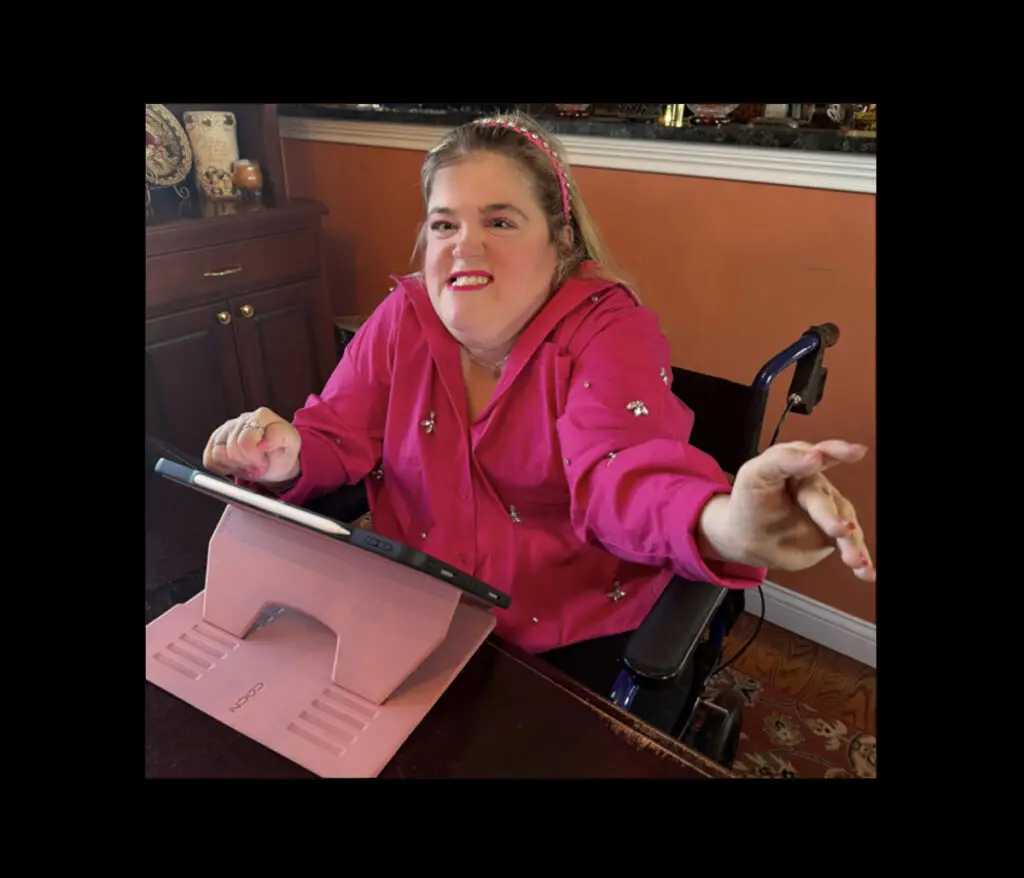
5. Assistive Technology Creates Greater Independence
Mobility aids, communication devices, adaptive tools, and accessible technology empower people with CP to live independently, pursue careers, and engage fully in their communities.
From speech-generating devices to adaptive vehicles, innovation continues to expand possibilities.
6. Early Intervention Makes a Powerful Difference
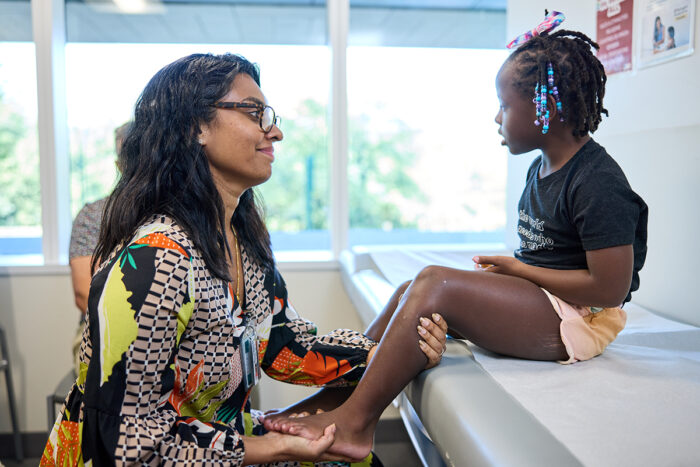
Early diagnosis and access to therapies — including physical, occupational, and speech therapy — can significantly improve outcomes for children with CP. Support during the early years, starting as early as six months old, helps build strength, coordination, and confidence.
UCP provides family-centered resources that help children reach their full potential.
7. Cerebral Palsy Doesn’t Define a Person’s Life

People with CP are students, parents, professionals, artists, athletes, and leaders. Disability is one part of a person’s identity — not the whole story.
Many individuals with CP advocate for accessibility, inclusion, and policy change, helping create a more equitable society for everyone.
8. Adults with Cerebral Palsy Need Lifelong Support
While CP is often discussed in the context of childhood, it is a lifelong condition. Adults with cerebral palsy may face barriers in employment, housing, healthcare, and transportation.
That’s why UCP supports individuals across the lifespan — from early intervention to employment services and community living programs.
9. Accessibility Benefits Everyone
Ramps, inclusive playgrounds, workplace accommodations, and universal design don’t just benefit people with CP — they create stronger communities for all. Inclusion is not a special feature; it’s a civil right.
10. Awareness Leads to Action
Cerebral Palsy Awareness Month is about more than facts — it’s about fostering empathy, advocating for inclusion, and ensuring people with disabilities have equal access to education, employment, healthcare, and community life.
When we challenge stereotypes and replace assumptions with understanding, we build a world where everyone belongs.
How You Can Support Cerebral Palsy Awareness Month
- Learn and share accurate information about cerebral palsy
- Amplify the voices of people with disabilities
- Advocate for accessible policies in your community
- Support organizations like United Cerebral Palsy that fund groundbreaking research, advocate for policy change, and provide support services to individuals across the lifespan.
- Wear green to show your support during March
Together, We Can Advance Inclusion
For more than 75 years, United Cerebral Palsy has worked to ensure people with disabilities can live a life without limits. During Cerebral Palsy Awareness Month — and every month — we remain committed to advancing independence, productivity, and full citizenship for people with cerebral palsy.